How Turnkey Mineral Water Plants Help Launch Bottled Brands!
Launching a Mineral Water Plant involves more than installing a filtration machine and filling bottles. Every successful project begins with understanding raw water quality, selecting suitable treatment technology, and designing a production line that maintains consistent hygiene.
In India, increasing demand for packaged drinking water creates opportunities for beverage businesses, hospitality suppliers, and private-label water brands. However, the right equipment, plant layout, and quality controls determine whether production can operate efficiently.
This guide explains the complete journey from water source evaluation to sealed bottles, helping entrepreneurs plan machinery, production capacity, packaging and operational requirements before making an investment.
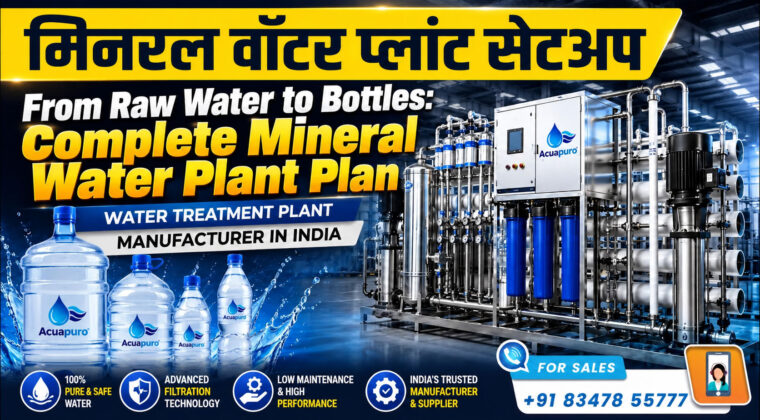
How a Mineral Water Plant Converts Raw Water into Packaged Bottles
A Mineral Water Plant uses connected treatment and packaging stages to produce water that meets its intended product specifications. The exact treatment sequence depends on the water source, laboratory findings and applicable standards.
Step 1: Evaluate the Raw Water Source
Groundwater, municipal supply and other permitted sources can have different chemical and microbiological characteristics. A laboratory assessment helps identify the treatment needed before equipment is selected.
Important testing parameters include:
- Total Dissolved Solids (TDS): Indicates the concentration of dissolved substances.
- Hardness: Helps identify scaling risks in pipes and membranes.
- Iron and manganese: May affect water appearance and treatment performance.
- Microbiological quality: Identifies contamination risks requiring appropriate controls.
- pH and turbidity: Support decisions about pretreatment and filtration.
Testing at the planning stage prevents unsuitable machinery selection and unnecessary operating expenses.
Step 2: Select the Water Treatment Process
A typical packaged drinking water treatment system combines multiple processes rather than relying on one filtration method.
Multigrade filtration helps remove suspended particles. Activated carbon filtration may reduce chlorine, certain organic substances and unwanted taste or odour.
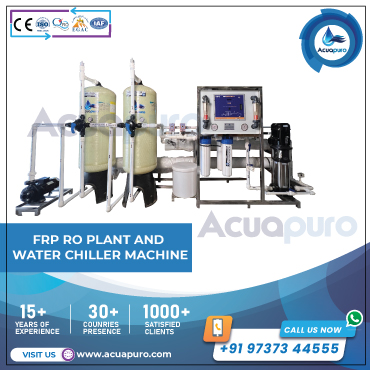
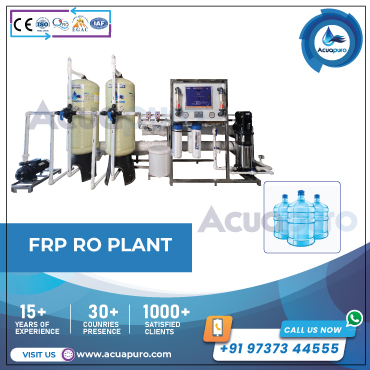
Cartridge filters provide additional particle removal before sensitive equipment. Where source-water chemistry requires it, a Reverse Osmosis (RO) system reduces dissolved salts and other contaminants.
Depending on the process design, UV treatment, ozone treatment or other validated disinfection controls may also be used.
The treatment arrangement should be designed around measured water quality, not a universal equipment package.
Step 3: Manage Mineral Composition and Treated Water Storage
Water treated through RO may require controlled mineral adjustment to meet the intended packaged drinking water characteristics.
A properly engineered system evaluates finished-water composition, taste, process consistency and relevant quality requirements.
Treated water storage also deserves attention. Closed, hygienically designed tanks, suitable contact materials and cleaning arrangements help limit contamination between treatment and filling.
Step 4: Integrate Bottle Rinsing, Filling and Capping
Once water reaches the required quality, it moves into the packaging line.
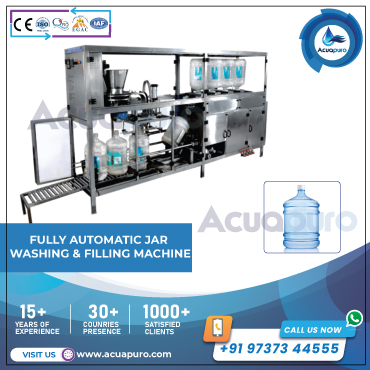
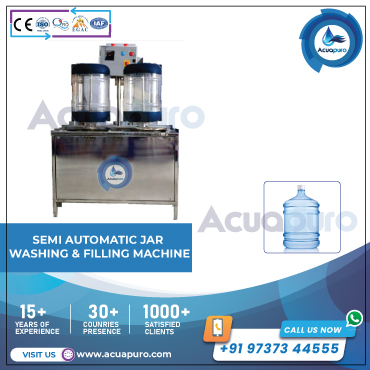
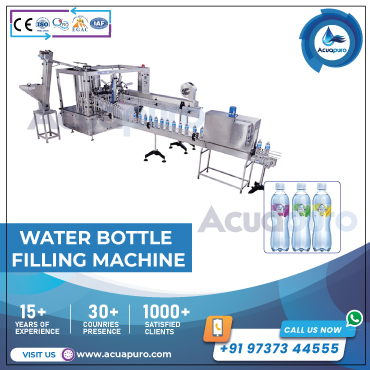
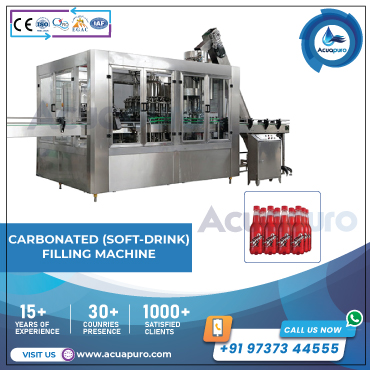
A Mineral Water Plant bottling line may include automatic bottle rinsing, volumetric or level-controlled filling, capping and container handling.
The filling area should minimise opportunities for contamination. Equipment design, employee hygiene, cleaning procedures and environmental controls all contribute to packaged product quality.
An automatic rinsing-filling-capping arrangement can reduce manual handling while improving production consistency.
Step 5: Complete Labelling and Final Packaging
After filling and sealing, bottles pass through inspection and packaging operations.
These may include:
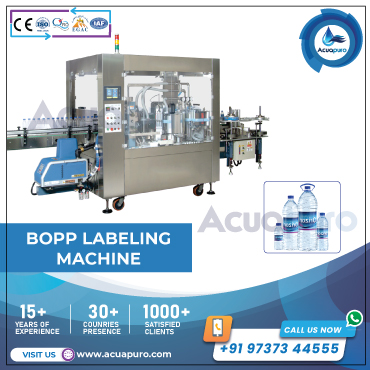
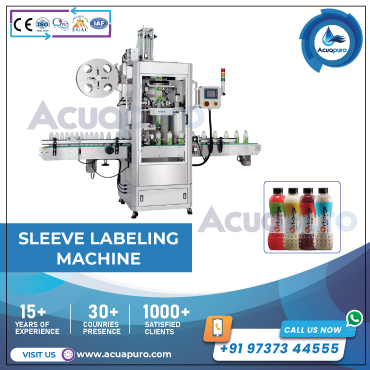
- Label application: Product identification and mandatory declarations.
- Batch coding: Traceability information for production records.
- Visual inspection: Checking caps, fill levels and bottle condition.
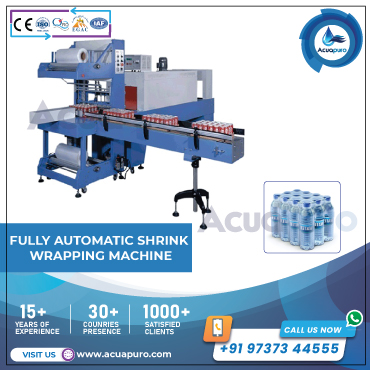
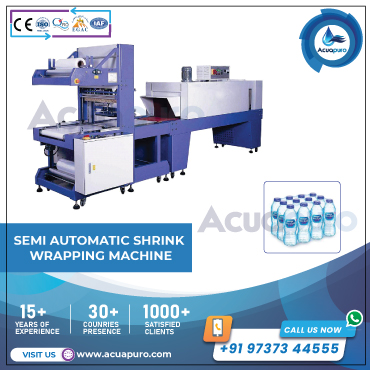
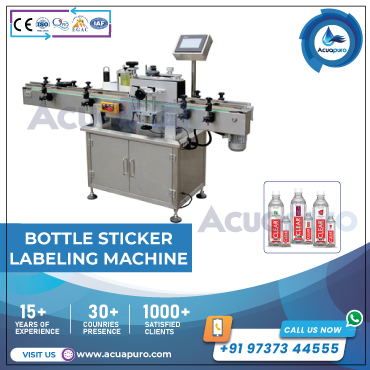
- Shrink wrapping or carton packing: Preparing bottles for distribution.
- Finished goods storage: Maintaining suitable conditions before dispatch.
A coordinated line helps prevent bottlenecks between filling, labelling and packing.
Planning a Mineral Water Plant Project for Long-Term Production
Choosing equipment is only one part of project development. A commercially practical facility also requires sufficient utilities, an organised workflow, trained operators and a realistic maintenance plan.
1. Choose Plant Capacity Based on Actual Demand
Production capacity should reflect expected sales, bottle sizes, operating hours and available water supply.
Treatment capacity is commonly expressed in litres per hour, while bottling equipment is often rated in bottles per hour.
These measurements are not interchangeable.
For example, a line producing 2,000 bottles of 500 ml water per hour needs approximately 1,000 litres of finished water each hour, before accounting for losses, downtime and process allowances.
The RO system, storage tanks and filling line must therefore be sized together.
2. Design an Efficient Production Layout
A good layout separates raw water handling, treatment operations, hygienic filling, packaging and finished goods movement.
It should also provide sufficient space for equipment access, cleaning, testing and maintenance.
Essential Infrastructure for Plant Operations
Consider these requirements during project planning:
- Reliable electricity and suitable electrical protection.
- Raw water storage and an approved water supply.
- Drainage and management of treatment reject water.
- Hygienic flooring, walls and production surfaces.
- Laboratory testing and sample collection facilities.
- Ventilation, worker movement and maintenance access.
Early planning reduces expensive modifications after machinery installation.
3. Select Machinery Based on Total Operating Requirements
The cheapest initial quotation does not always represent the lowest project cost.
Compare equipment based on treatment performance, automation, energy use, consumables, serviceability and production compatibility.
Ask potential manufacturers about membrane specifications, pump selection, control panels, spare parts, installation support and operator training.
Understand Automation and Maintenance Needs
Automatic systems can simplify monitoring and reduce repetitive manual work, but operators still need training.
Routine tasks may include filter replacement, membrane performance checks, cleaning, instrument calibration and preventive servicing.
A maintenance schedule should be established before commercial production begins.
4. Build Quality Control into Every Production Stage
Water quality should be monitored from source intake through final packaged product testing.
An effective quality programme includes documented sampling, process monitoring, cleaning procedures, batch identification and corrective actions.
Check Applicable Indian Regulatory Requirements
In India, packaged drinking water and natural mineral water are distinct product categories. Businesses should confirm which classification applies before choosing a product name or label.
Operators should verify current FSSAI requirements, applicable product standards, testing obligations and other relevant permissions. Requirements may change, so regulatory verification should be part of project planning.
5. Estimate Investment Beyond Equipment Purchase
A realistic budget considers machinery, civil work, utilities, laboratory arrangements, packaging materials, installation and working capital.
Operating expenses can include electricity, water, filters, membranes, chemicals, bottles, caps, labels, labour and maintenance.
Project feasibility improves when entrepreneurs calculate the cost per saleable bottle rather than focusing only on machine purchase prices.
6. Plan for Future Production Expansion
Businesses expecting increased demand should consider additional storage capacity, modular treatment equipment and space for packaging-line upgrades.
Expansion planning is especially valuable for companies serving multiple distributors or introducing additional bottle sizes.
A carefully designed Mineral Water Plant in India can support consistent operations when water quality, machinery performance and market demand are evaluated together.
निर्माता का परियोजना भागीदार के रूप में मूल्यांकन करें
मिनरल वाटर प्लांट निर्माता का चयन करते समय केवल कीमतों की तुलना करना ही पर्याप्त नहीं है।
एक उपयुक्त भागीदार को यह समझना चाहिए कि उपचार क्षमता, भरने की गति, बोतल प्रबंधन और पैकेजिंग प्रक्रियाएं आपस में कैसे परस्पर क्रिया करती हैं।
उपकरणों की विस्तृत सूची, प्रस्तावित उत्पादन प्रवाह, उपयोगिता संबंधी आवश्यकताएं, परियोजना का दायरा और कमीशनिंग संबंधी जिम्मेदारियों का अनुरोध करें।
साथ ही, वारंटी कवरेज, स्थापना सहायता, ऑपरेटर प्रशिक्षण और स्पेयर पार्ट्स की उपलब्धता के बारे में भी स्पष्ट जानकारी प्राप्त करें।
गुजरात के अहमदाबाद स्थित एकुआपुरो वाटर, जल उपचार उपकरण बनाती है और बोतलबंदी और पैकेजिंग मशीनरी सहित पूर्ण पैकेज्ड पेयजल संयंत्र समाधान प्रदान करती है।
शुरू करें खुद की पानी की बोतल का बिजनेस, 🤑 तो बिना समय बर्बाद किए हमें अभी कॉल करें 💸💸
FAQs About Mineral Water Plant Investment in India
Yes. A suitably designed production line can accommodate different bottle formats. Buyers should confirm changeover requirements, machine compatibility and output rates before selecting equipment.
Was this helpful?
A turnkey arrangement can simplify coordination between equipment stages. However, buyers should obtain written confirmation of the included machinery, installation responsibilities and commissioning services.
Was this helpful?
Yes. A manufacturer from Ahmedabad, Gujarat, and supplier across main cities in India can serve buyers in different regions. Confirm site-service availability and delivery terms individually.
Was this helpful?
Ideally, factory requirements and machinery specifications should be evaluated together. Available floor space, utilities, drainage and production movement can influence the final configuration.
Was this helpful?
Production may be interrupted even when treatment equipment remains operational. Suitable buffer storage, preventive maintenance and coordinated machine speeds can reduce disruption.
Was this helpful?
Some projects support both formats through separate or compatible filling equipment. The appropriate arrangement depends on container handling, sanitation and required production volumes.
Was this helpful?
No FAQ found.
Yes. A suitably designed production line can accommodate different bottle formats. Buyers should confirm changeover requirements, machine compatibility and output rates before selecting equipment.
A turnkey arrangement can simplify coordination between equipment stages. However, buyers should obtain written confirmation of the included machinery, installation responsibilities and commissioning services.
Yes. A manufacturer from Ahmedabad, Gujarat, and supplier across main cities in India can serve buyers in different regions. Confirm site-service availability and delivery terms individually.
Ideally, factory requirements and machinery specifications should be evaluated together. Available floor space, utilities, drainage and production movement can influence the final configuration.
Production may be interrupted even when treatment equipment remains operational. Suitable buffer storage, preventive maintenance and coordinated machine speeds can reduce disruption.
Some projects support both formats through separate or compatible filling equipment. The appropriate arrangement depends on container handling, sanitation and required production volumes.
No FAQ found.
Container dimensions, material suitability and sealing performance influence filling reliability and packaging integrity. Food-contact compliance must also be verified.
Was this helpful?
Discuss installation responsibilities with the manufacturer from Ahmedabad, Gujarat, and supplier across main cities in India. Confirm technician availability, commissioning schedules and operator training.
Was this helpful?
Expansion may be possible when adequate floor space, utilities and appropriately specified equipment are available. Future capacity should be considered during initial planning.
Was this helpful?
Ask for a commercial quotation, equipment specifications, layout requirements, warranty details, installation scope and estimated commissioning schedule.
Was this helpful?
Reliable service helps address equipment faults, replacement components and operational questions. Buyers should confirm support arrangements before finalizing an order.
Was this helpful?
Businesses can approach a manufacturer from Ahmedabad, Gujarat, and supplier across main cities in India for integrated project discussions. Review technical capabilities and service commitments before purchasing.
Was this helpful?
No FAQ found.
Container dimensions, material suitability and sealing performance influence filling reliability and packaging integrity. Food-contact compliance must also be verified.
Discuss installation responsibilities with the manufacturer from Ahmedabad, Gujarat, and supplier across main cities in India. Confirm technician availability, commissioning schedules and operator training.
Expansion may be possible when adequate floor space, utilities and appropriately specified equipment are available. Future capacity should be considered during initial planning.
Ask for a commercial quotation, equipment specifications, layout requirements, warranty details, installation scope and estimated commissioning schedule.
Reliable service helps address equipment faults, replacement components and operational questions. Buyers should confirm support arrangements before finalizing an order.
Businesses can approach a manufacturer from Ahmedabad, Gujarat, and supplier across main cities in India for integrated project discussions. Review technical capabilities and service commitments before purchasing.
No FAQ found.
Conclusion: Build Your Mineral Water Plant with Acuapuro Water India
A successful mineral water project starts with a tested water source and continues through treatment, hygienic filling, quality control and reliable packaging.
Choosing equipment that matches actual production requirements helps businesses avoid unnecessary complexity and prepare for future growth.
Acuapuro Water supports businesses exploring water treatment and bottling plant solutions. Visit https://www.acuapuro.com/ to discuss your water source, required capacity, bottle formats and project specifications before selecting a suitable system.