How to Start a Mineral Water Plant at Low Cost Today
Mineral water plants have become one of the most profitable and sustainable business opportunities in India 2026. With the increasing demand for safe, packaged drinking water, entrepreneurs are investing in mineral water plant setup projects. However, understanding the mineral water plant cost, setup process, and operational requirements is crucial before starting.
In this complete guide, we’ll break down everything you need to know about mineral water plants, including setup costs, equipment, space, and business tips.
Understanding What a Mineral Water Plant Is
A mineral water plant is a facility where raw water is purified, filtered, and processed to meet drinking water standards. After purification, essential minerals like magnesium, calcium, and potassium are added back to enhance taste and health benefits.
The final product is then packed in bottles, jars, or pouches — ready for distribution and sale.
Starting a mineral water plant involves several stages, including raw water treatment, filtration, RO purification, filling, and packaging.
Why Start a Mineral Water Plant Business?
The packaged drinking water industry is growing at an incredible rate. Due to rapid urbanization, rising health awareness, and the lack of safe tap water, the demand for bottled water is skyrocketing.
According to recent market studies, the Indian bottled water market is expected to grow by over 20% annually. Entrepreneurs entering this market can expect high returns with a relatively moderate investment.
Moreover, a mineral water plant setup ensures a steady demand throughout the year, especially during summers and in urban or tourist regions.
Types of Mineral Water Plants
There are various types of plants based on production capacity and process design. Choosing the right type directly affects your mineral water plant cost and profit margin.
1. Small-Scale Mineral Water Plant
Ideal for startups and rural areas, this setup focuses on limited production (up to 1,000 liters/hour). It is affordable and easy to maintain.
2. Medium-Scale Plant
A medium-scale setup ranges from 2,000–5,000 liters/hour, suitable for regional distributors and city-based entrepreneurs.
3. Large-Scale Industrial Plant
This high-capacity plant produces up to 20,000 liters/hour or more. It caters to national-level bottled water brands or export-based businesses.
Step-by-Step Mineral Water Plant Setup Process
Setting up a mineral water plant involves several stages, from land selection to machinery installation. Here’s a simplified breakdown.
Step 1: Location & Land Requirement
Choose a clean, accessible area with a stable water source. Typically, a minimum of 1,000 sq. ft is needed for a small plant, and up to 10,000 sq. ft for industrial setups.
Step 2: Obtain Licenses & Certifications
You’ll need several approvals before starting, including:
-
BIS Certification (Bureau of Indian Standards)
-
FSSAI License
-
Pollution Control Board Approval
-
Groundwater Authority NOC
These licenses ensure that your mineral water plant meets all government safety and quality standards.
Step 3: Water Purification Process
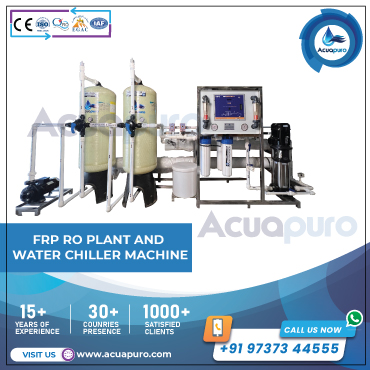
The purification process generally includes:
-
Raw water storage
-
Sand and carbon filtration
-
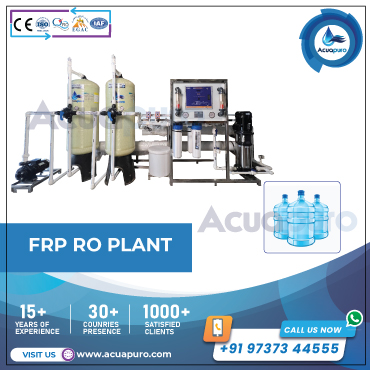
Reverse Osmosis (RO) system
-
UV disinfection and ozonation
This ensures your water is free from contaminants and safe for drinking.
Step 4: Bottle Filling & Packaging
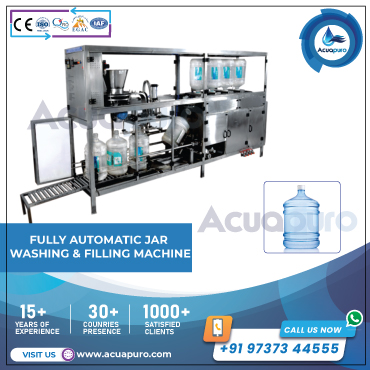
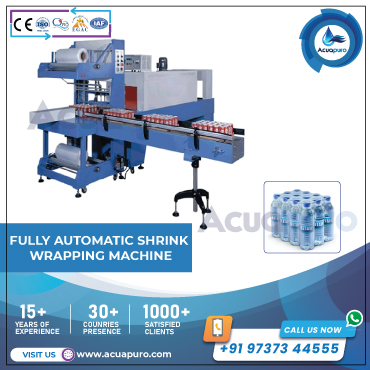
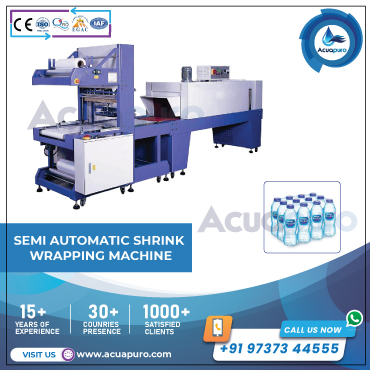
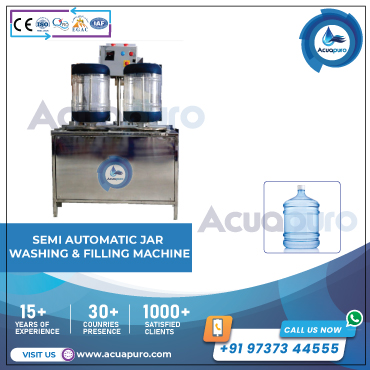
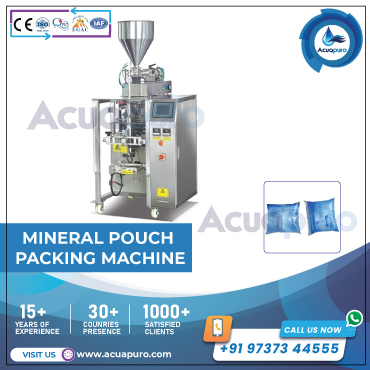
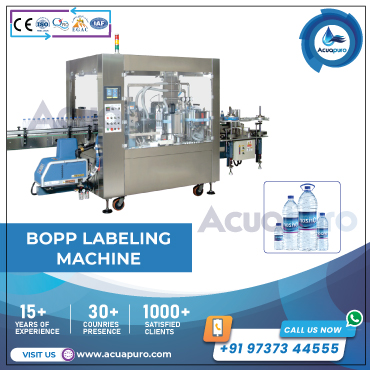
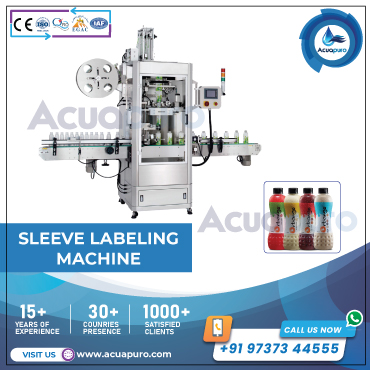
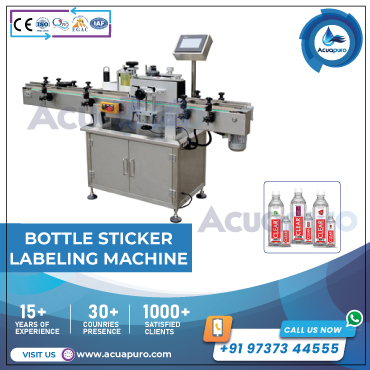
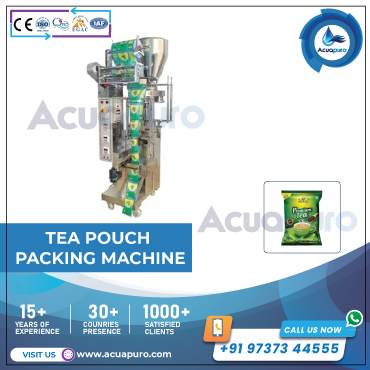
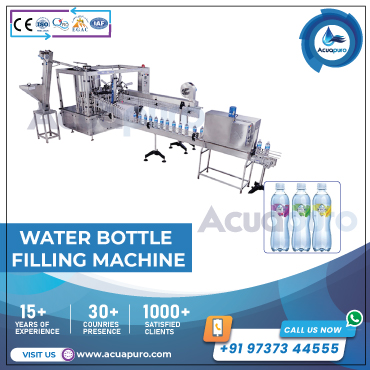
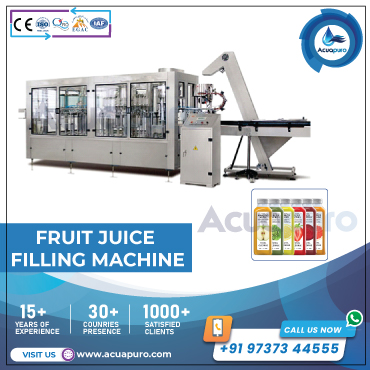
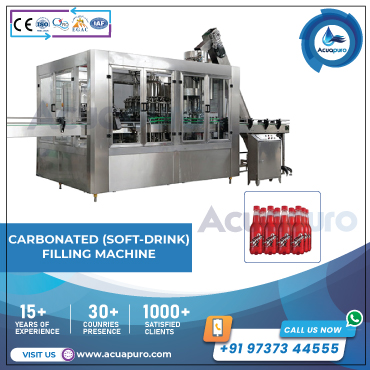
After purification, water is filled into bottles, pouches, or jars using automatic filling machines. The bottles are then sealed, labeled, and packed for distribution.
Step 5: Marketing & Distribution
Build your brand presence through wholesalers, retailers, and online platforms. Collaborating with hotels, restaurants, and offices can help scale your reach quickly.
Mineral Water Plant Cost Breakdown
The mineral water plant cost depends on production capacity, automation level, machinery, and raw material expenses. Let’s understand the cost structure in detail.
1. Land & Building
-
Small plant: ₹3–5 lakhs (rented or owned)
-
Medium plant: ₹10–20 lakhs
-
Industrial plant: ₹25–50 lakhs
2. Machinery & Equipment
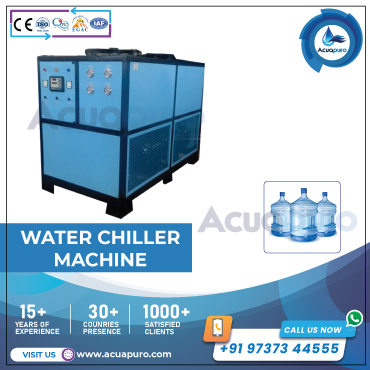
This includes water treatment systems, RO units, UV sterilizers, filling machines, labeling units, and packaging machines.
Average machinery cost: ₹8–15 lakhs (small scale) to ₹75+ lakhs (large scale).
3. Raw Materials & Utilities
Expenses include bottles, caps, labels, electricity, and water.
Monthly operational cost: ₹50,000–₹2,00,000 depending on capacity.
4. Licensing & Miscellaneous Costs
Government licenses and testing charges: ₹2–5 lakhs.
Average Mineral Water Plant Setup Cost in India (2025):
| Plant Type | Capacity | Approx. Cost |
|---|---|---|
| Small Scale | 1,000 LPH | ₹15–20 lakhs |
| Medium Scale | 5,000 LPH | ₹35–45 lakhs |
| Large Scale | 10,000+ LPH | ₹60 lakhs–₹1 crore |
Quick Inquiry Now
Key Factors Affecting Mineral Water Plant Cost
Several factors influence the total cost of setup:
-
Automation level (manual, semi-auto, or full-auto)
-
Quality of machinery and materials
-
Water source and treatment requirements
-
Branding and packaging design
-
Location and labor availability
Selecting energy-efficient, high-quality machinery from a reputed supplier ensures better longevity and lower maintenance costs.
Tips to Reduce Mineral Water Plant Setup Cost
-
Start small and expand as demand grows.
-
Use automatic filling machines to save labor costs.
-
Choose local equipment suppliers to cut transportation charges.
-
Implement energy-saving RO systems to reduce electricity bills.
-
Optimize bottle size range — focus on 500ml and 1L bottles first.
Profitability and ROI of a Mineral Water Plant
A well-planned mineral water plant can generate 30–40% profit margins. The return on investment usually occurs within 18–24 months depending on your marketing and distribution reach.
For instance, if you sell 2,000 bottles/day at ₹10 each, monthly revenue can reach ₹6 lakh with production costs under ₹3 lakh — ensuring strong profits.
Why Choose Acuapuro for Your Mineral Water Plant Setup
Acuapuro is one of India’s most trusted water treatment and bottling plant manufacturers, offering end-to-end solutions. From design, manufacturing, and installation to after-sales support, Acuapuro ensures high-quality machinery at competitive prices.
If you’re planning to start your own mineral water plant, our experts can help you with a complete turnkey solution and cost estimation.
💰 Mineral Water Plant Cost Guide for New Entrepreneurs
Starting a mineral water plant is a profitable business venture with long-term sustainability. Understanding the mineral water plant cost, setup process, and licenses helps you plan efficiently.
Whether you’re a small entrepreneur or an investor, a properly designed plant ensures high-quality water and consistent profit. Choose reliable machinery, follow safety guidelines, and market your brand effectively — success will follow.
Mineral Water Plant Cost & Setup FAQs for India
The ideal capacity depends on your daily market demand, distribution network, available budget, and future expansion plans. New businesses can begin with manageable production capacity and design the plant so it can be upgraded as sales increase.
A turnkey mineral water plant solution can simplify planning because treatment, filling, packaging, installation, and commissioning can be coordinated together. Separate machines may provide flexibility but require stronger technical planning and integration.
Yes. A properly planned modular mineral water plant can allow future expansion in treatment, storage, filling, and packaging capacity. Discussing future production targets before purchasing machinery can help avoid expensive modifications later.
The source may include borewell, groundwater, municipal water, or another approved source, depending on local conditions and regulations. Raw water should be professionally tested because its chemical and microbiological characteristics determine the required treatment process.
Raw water quality directly influences the RO system, pretreatment stages, filtration requirements, recovery rate, and operating cost. Testing first helps engineers design treatment equipment around actual water conditions instead of assumptions.
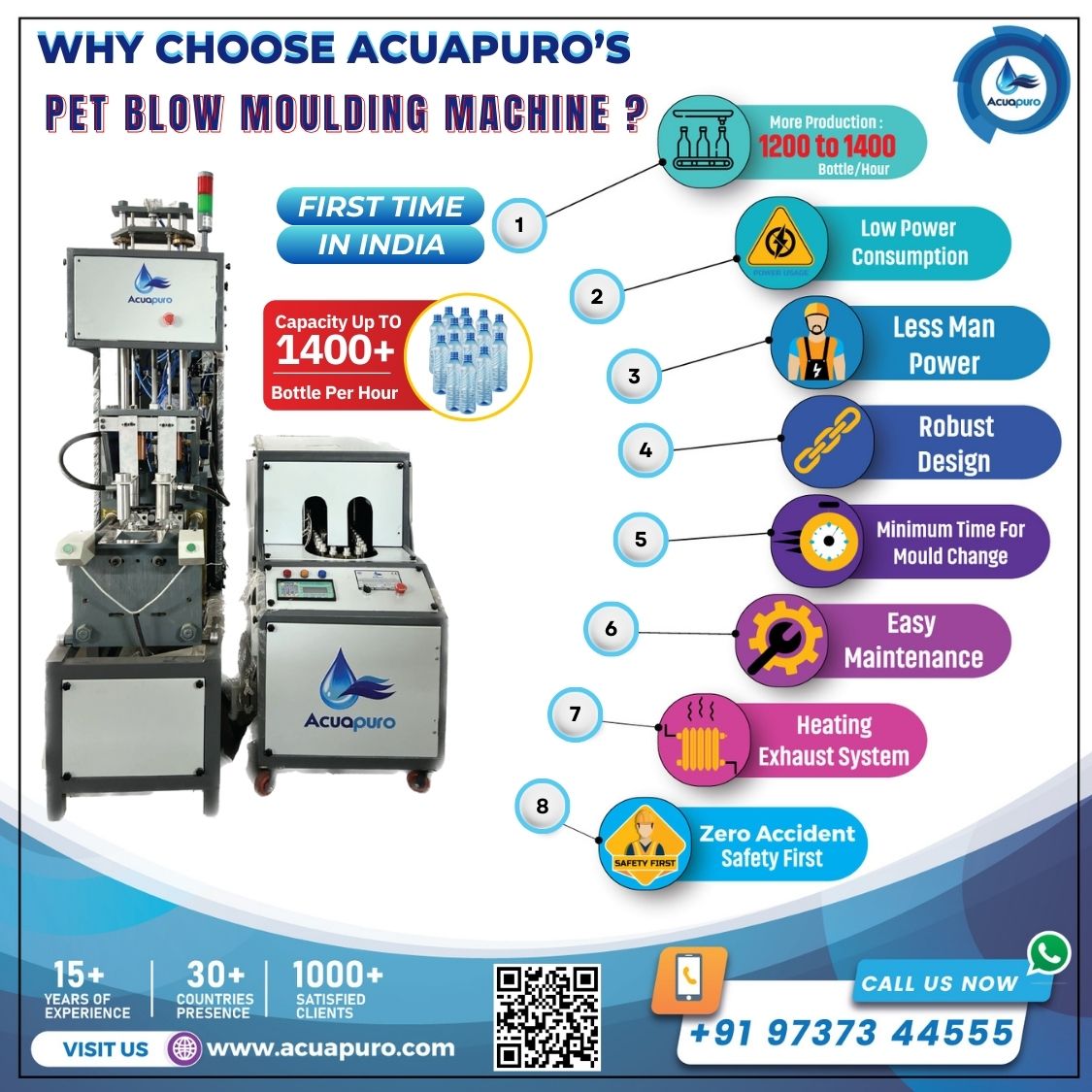
Electricity requirements vary according to LPH capacity, RO configuration, pumps, compressors, filling machines, blow moulding equipment, and automation level. A detailed load calculation should therefore be completed during project planning.
A fully automatic system can provide higher production consistency, reduced manual handling, better hygiene, and lower dependency on labour. Whether it is financially suitable depends on your production volume and expected sales.
Evaluate manufacturing quality, machine specifications, customization, installation support, spare parts, technical service, warranty, and previous projects. The lowest quotation may not always provide the best long-term operating value.
Yes, a suitably configured bottling line can accommodate multiple bottle formats and capacities, subject to machine design and change parts. Businesses should finalize their target packaging sizes before ordering equipment.
No FAQ found.
It is extremely important because unexpected downtime can interrupt production and deliveries. Reliable technical support, spare-part availability, preventive maintenance, and operator guidance can help maintain consistent plant performance.
Yes. Manufacturers can often develop a customized plant layout according to production flow, available area, utility points, storage requirements, and machinery dimensions. Proper layout planning also supports safer and more efficient operations.
Water efficiency can be improved through optimized RO recovery, proper pretreatment, equipment maintenance, reject-water management, and process monitoring. The exact solution should be based on raw-water characteristics and the plant design.
Maintenance should cover filters, membranes, pumps, UV systems, ozone equipment, filling machines, compressors, and sanitation procedures. Preventive maintenance at manufacturer-recommended intervals can reduce unexpected breakdowns and maintain water quality.
Yes. Acuapuro operates as a manufacturer from Ahmedabad, Gujarat, and supplier across main cities in India and worldwide, offering water treatment and bottling solutions for different production requirements. Project scope and installation requirements should be confirmed before ordering.
Yes. An experienced mineral water plant manufacturer can help plan equipment placement, workflow, utility connections, treatment sections, filling areas, and packaging zones. Acuapuro is a manufacturer from Ahmedabad, Gujarat, and supplier across main cities in India and worldwide.
Start with expected daily bottle demand, distributor orders, institutional customers, seasonal demand, and operating hours. Add reasonable spare capacity so the plant can handle growth without immediately requiring major equipment replacement.
Ask about LPH capacity, automation, machine material, treatment stages, electrical load, installation, commissioning, warranty, spare parts, operator training, delivery schedule, and after-sales service. A detailed quotation makes supplier comparisons more accurate.
Acuapuro presents itself as a manufacturer from Ahmedabad, Gujarat, and supplier across main cities in India and worldwide, with contact locations listed in India and several international markets. International buyers should confirm shipping, installation, commissioning, and local compliance requirements for their destination.
Choose equipment based not only on current demand but also on future capacity, automation, energy efficiency, maintenance accessibility, packaging flexibility, and expansion possibilities. A scalable design can reduce the cost and disruption of future upgrades.
No FAQ found.